The farm beekeeper holds frames of honeycomb beside the hives
Live Data / The Tech

The tech here is evidence, not decoration.

No stock-photo "smart farming." Every system below is a real instrument on real ground — and most of it is streaming live right now.

Live conditions & what to plan for

The farm, right now

N E S W
Wind
km/h · gust km/h
Rain & monsoon
Next rain
Season
Comfort & work
feels-like
Humidity
UV
Sun
Sky tonight
Moonrise
Shower
AQI ·
IST · connecting…
i. What's sensing

The instruments on the ground.

On-site weather station

Hyperlocal weather — our real spray-window and irrigation input.

streaming live

Soil sensors + LoRaWAN

Moisture and conditions across plots, long-range and low-power.

4 / 5 nodes live

BirdNET acoustic monitoring

Biodiversity tracked by ear — 20+ species and counting.

20+ species logged
Live readings

Soil and sky, right now.

Moisture, pH, and weather stream from the field nodes into one feed. Each value updates when the Pi pushes a reading. The field nodes are still being installed, so these read blank until the feed connects.

Soil moisture
root zone · plot 3
Soil pH
6.2–6.8 target
Soil temp
−10 cm depth
Air temp
On-site station
Rain today
since 00:00 IST
Last bird · BirdNET
awaiting first detection

connecting…

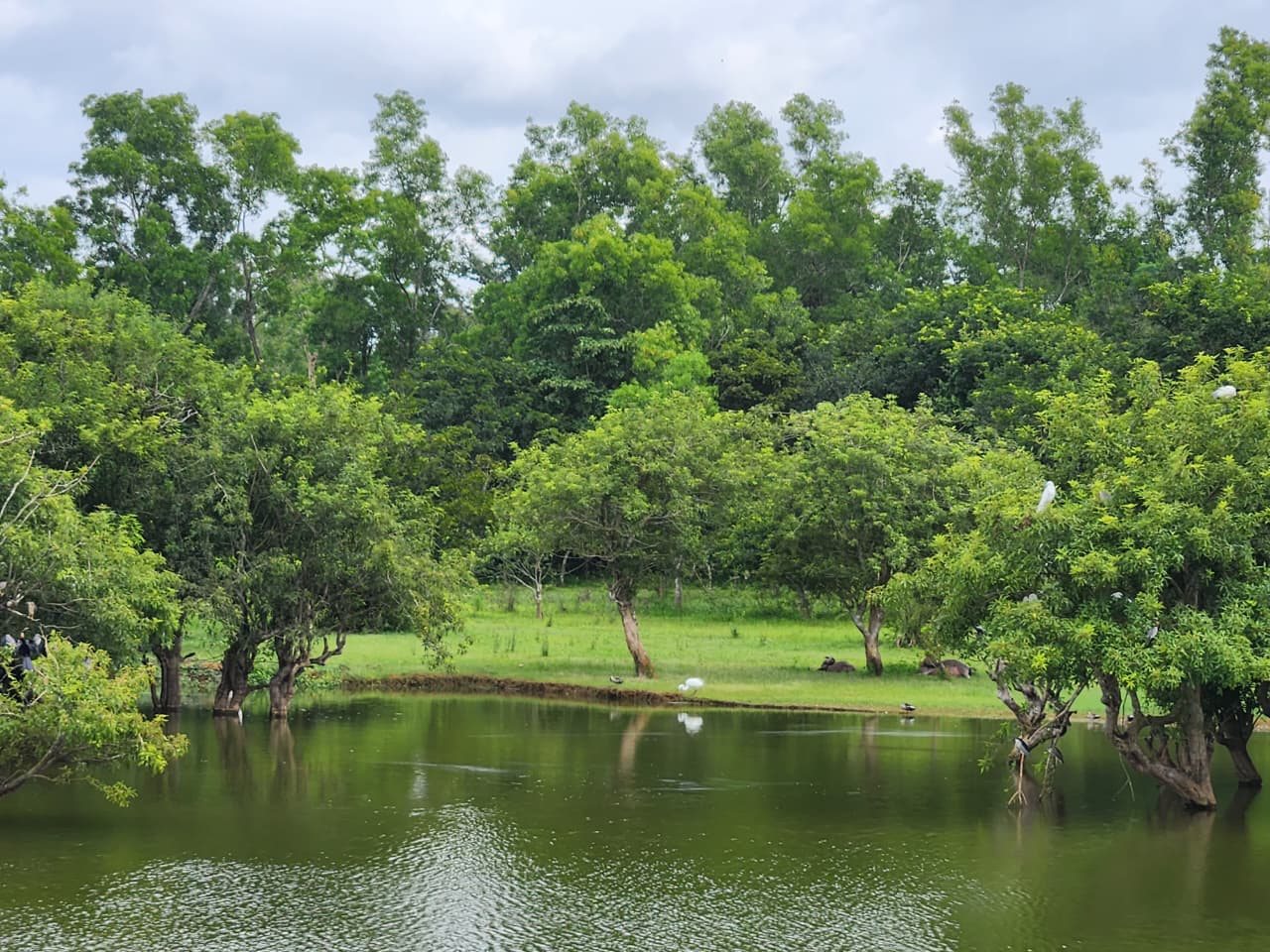
Egrets and herons around the farm tank with grazing buffalo and dense tree cover behind
The farm tank — egrets, herons and buffalo; the living soundscape BirdNET is learning · 2026 · Western Ghats
On the trail

What the forest does when we're not looking.

A motion-triggered wildlife camera is going in along the forest edge. The latest frame posts here automatically — but only when there's no person in it.

Awaiting first frame
The camera goes live once the unit is installed and gated.
human-gated
No capture yet
Frames are filtered on-device. A capture is published only when detection finds no person — nothing identifying a visitor or the crew ever goes public. Species labels come from the same model family as BirdNET.
ii. What we make on-site

Closing the loop.

Farm waste doesn't leave — it becomes fertility and carbon, made here in the open.
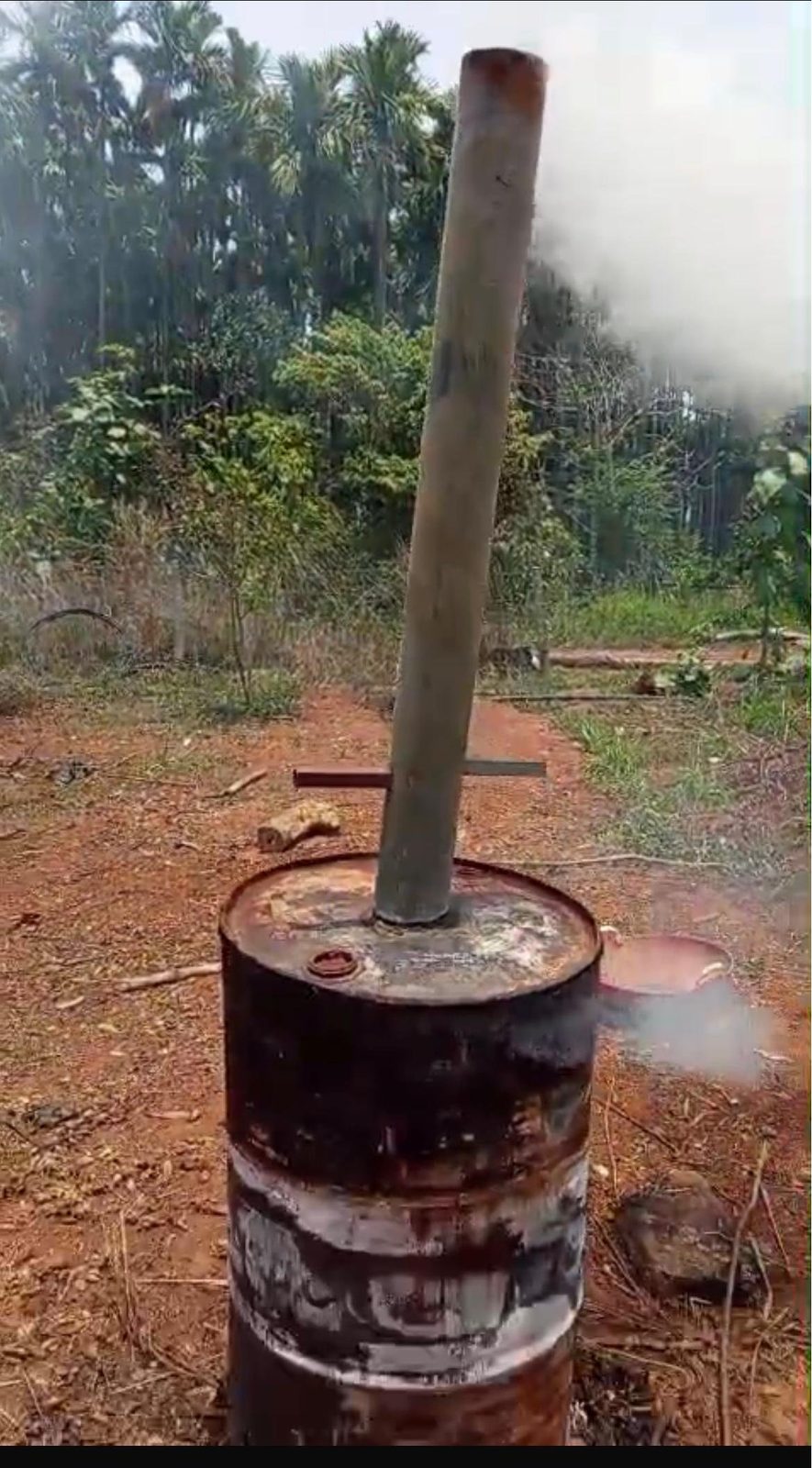
  • Biochar200L retort, 6+ batches done, second barrel coming — carbon back into the soil.
  • Biocompost30 piles across 4 batches; farm waste closed into fertility.
The 200-litre biochar retort running on the farm, chimney venting under the areca canopy
Biochar retort, mid-burn · 2026 · Western Ghats
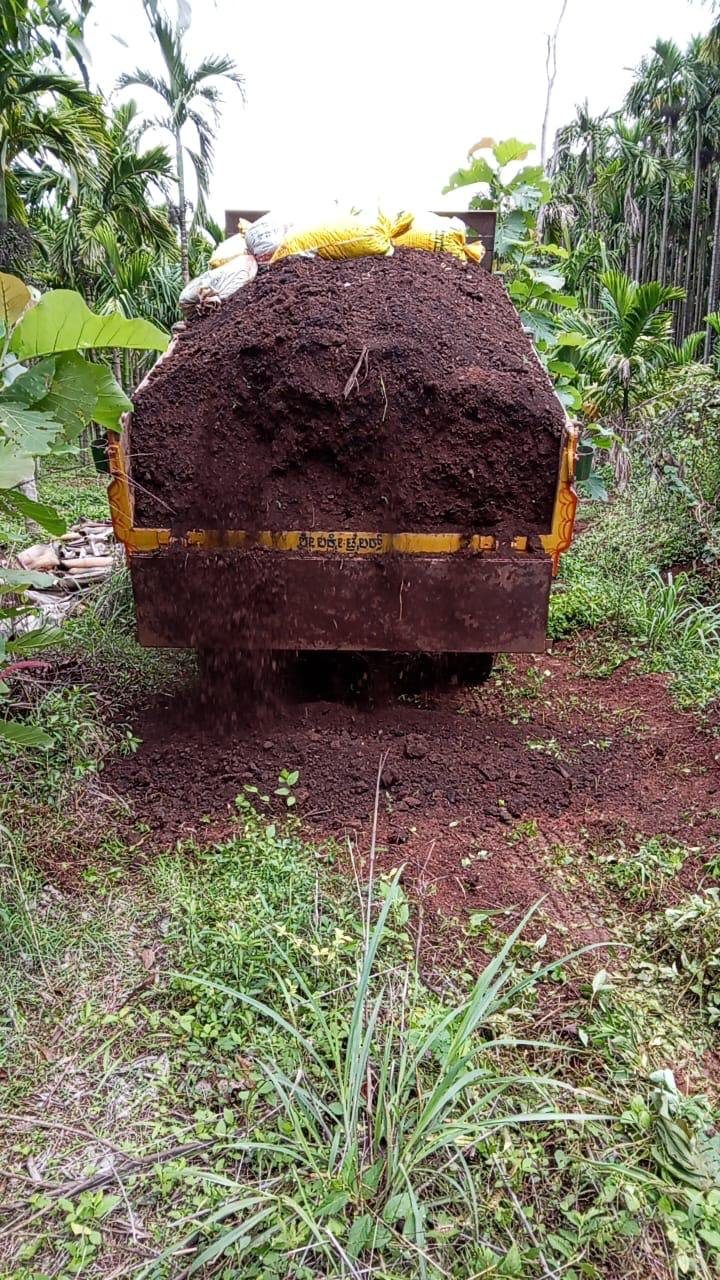
A trailer-load of finished dark biocompost being delivered to the plots
Finished biocompost, to the rows · 2026 · Western Ghats
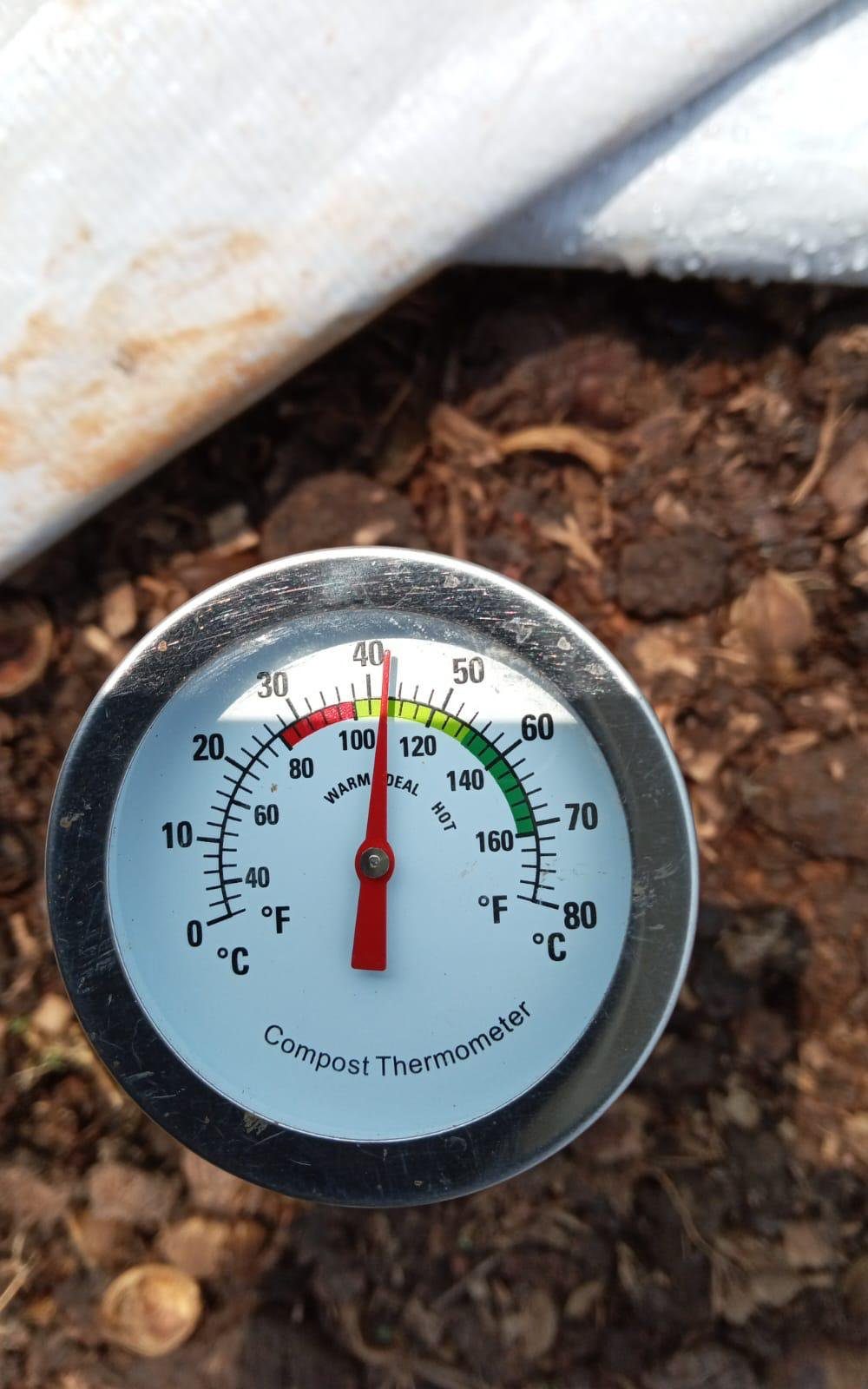
A compost thermometer reading about 40°C, needle sitting in the ideal range, probed into a covered pile
Pile at ~40°C — the ideal band · 2026 · Western Ghats

Tarped, batch-tracked, temperature-probed — the same loop that feeds the soil sensors a baseline.

iii. What it adds up to

Data that does something.

The sensing layer feeds a working pipeline — not a dashboard for its own sake, but alerts and answers the people on the ground actually use.
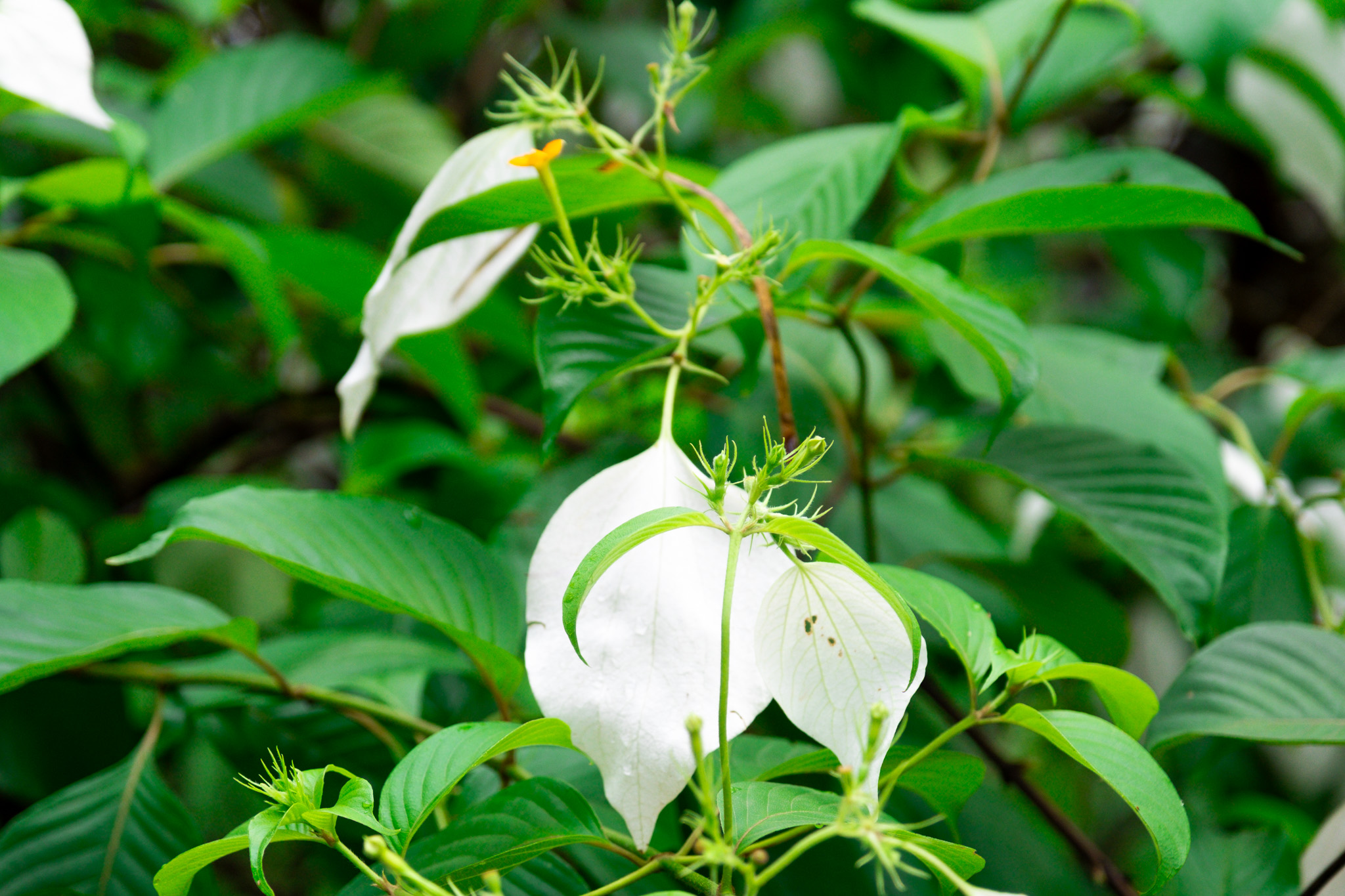
  • Raspberry Pi + automation backboneRunning the data flow on-site.
  • AI plant-health checksPhoto → diagnosis → advice.
  • Monsoon spray-window alertsSent to the field team, bilingual.
  • Regional disease alerts (building)Early warnings for areca & black pepper, synthesised for the Western Ghats.
The crew tending pepper vines trained up the areca trunks
Tending the pepper, vine by vine · 2026 · Western Ghats
iv. Building next

The drone program.

Four-layer plant-health sensing, phased honestly.

  1. Visual walkthroughOn the ground today.
  2. Tablet-camera captureClose-ups of suspect plants.
  3. Spectral cameraEarly stress, before the eye can see it.
  4. Drone aerialBeginner drone (Months 6–9), multispectral (Month 12+).

This is the ground ventures validate against.